
Nutrition forms the foundation of human health. Every cellular reaction, tissue repair, and organ function relies on a steady supply of essential nutrients. While macros like carbohydrates, proteins, and fats supply the energy required to fuel daily activities, micronutrients—specifically vitamins and minerals—act as the spark plugs that keep internal biological systems running smoothly.
Despite the widespread availability of fresh food, modern diets frequently fall short of supplying optimal nutrient levels. Processing methods, soil depletion, busy schedules, and reliance on convenience foods contribute to subtle dietary gaps. Understanding the roles different vitamins play, where to source them, and how to balance daily intake is essential for achieving long-term vitality and preventing chronic illness.
Understanding Essential Micronutrients
Vitamins are organic compounds required by the body in small quantities to sustain life. Because the body cannot synthesize most vitamins in sufficient amounts on its own, they must be acquired regularly through food or targeted supplementation.
Vitamins fall into two distinct categories based on how the body absorbs, stores, and excretes them: fat-soluble and water-soluble.
Fat-Soluble Vitamins
Fat-soluble vitamins are absorbed alongside dietary fats in the digestive tract. The body stores excess amounts of these vitamins in liver and adipose tissue for later use, meaning daily intake is not strictly necessary, though chronic overconsumption can lead to toxicity.
-
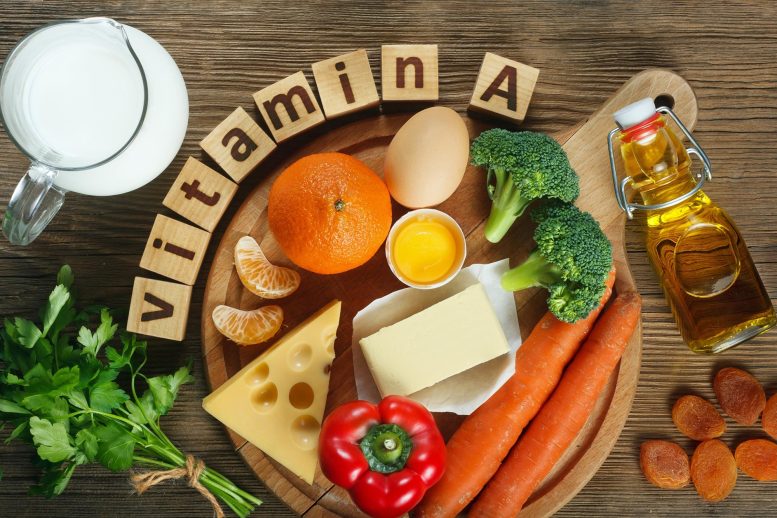
Vitamin A: Essential for vision, immune function, and cellular growth. It occurs as preformed vitamin A (retinoids) in animal products like liver and eggs, and as provitamin A (carotenoids) in colorful plant foods like carrots and sweet potatoes.
-
Vitamin D: Functions more like a hormone than a traditional vitamin, regulating calcium absorption, supporting bone density, and modulating immune response. While exposure to sunlight triggers its production in the skin, dietary sources include fatty fish, egg yolks, and fortified dairy.
-
Vitamin E: Acts as a powerful antioxidant that protects cell membranes from oxidative damage caused by free radicals. Key sources include nuts, seeds, spinach, and plant oils.
-
Vitamin K: Critical for blood clotting and regulating bone mineralization by directing calcium into bones rather than arterial walls. Leafy greens like kale and spinach are rich in Vitamin K1, while fermented foods provide Vitamin K2.
Water-Soluble Vitamins
Water-soluble vitamins dissolve in water and are not stored in large amounts by the body. Excess quantities are excreted through urine, making regular daily intake necessary through diet.
-
Vitamin C: A potent antioxidant that aids collagen synthesis, supports immune defense, and enhances non-heme iron absorption from plant foods. Citrus fruits, bell peppers, strawberries, and broccoli are exceptional sources.
-
B-Complex Vitamins: A group of eight distinct vitamins, including B1 (thiamine), B2 (riboflavin), B3 (niacin), B5 (pantothenic acid), B6 (pyridoxine), B7 (biotin), B9 (folate), and B12 (cobalamin). These vitamins function collectively as coenzymes in energy production, red blood cell formation, and nervous system maintenance. Whole grains, legumes, meat, poultry, and leafy greens provide various B vitamins.
Essential Minerals and Their Synergistic Roles
Vitamins do not work in isolation. They rely heavily on minerals to perform their functions efficiently. Essential minerals fall into two categories: macrominerals, needed in larger daily amounts, and trace minerals, needed in smaller quantities.
-
Calcium and Magnesium: Calcium maintains structural bone integrity and nerve transmission, while magnesium regulates over three hundred enzymatic reactions, including muscle contraction and energy production.
-
Iron: A vital component of hemoglobin, the protein responsible for transporting oxygen throughout the bloodstream. Animal-derived heme iron is absorbed efficiently, while plant-derived non-heme iron requires Vitamin C for optimal absorption.
-
Zinc: Essential for immune defense, wound healing, DNA synthesis, and protein production. Found abundantly in oysters, red meat, seeds, and legumes.
-
Potassium and Sodium: Electrolytes that maintain cellular fluid balance, regulate blood pressure, and support nerve signaling.
Building a Nutrient-Dense Eating Plan
Relying primarily on whole, minimally processed foods is the most effective strategy for meeting your daily vitamin and mineral requirements. Whole foods offer complex matrices of fiber, phytochemicals, and healthy fats that enhance nutrient bio-availability.
Prioritize Colorful Produce
The natural colors of plant foods often indicate the specific antioxidants and vitamins they contain. Deep orange and yellow vegetables reflect rich carotenoid content, dark leafy greens supply folate and Vitamin K, and blue or purple berries provide anthocyanins. Aiming for a diverse array of colors on your plate ensures a broad spectrum of micronutrients.
Choose Whole Grains and Healthy Fats
Refined grains lose their nutrient-dense germ and bran during processing, stripping away natural B vitamins and trace minerals. Opting for whole grains like quinoa, oats, brown rice, and barley preserves these vital elements. Additionally, pairing meals with healthy fats—such as olive oil, avocados, nuts, or seeds—improves the absorption of fat-soluble vitamins A, D, E, and K.
Balance Protein Sources
Incorporating a mix of lean animal proteins and plant-based options delivers a complete profile of amino acids alongside essential micronutrients. Wild-caught fish, pasture-raised eggs, legumes, lentils, and tofu contribute key minerals like iron, zinc, and selenium alongside vital B vitamins.
Navigating Dietary Supplementation
While a well-planned diet should serve as your primary source of nutrition, supplements can play a valuable supportive role in bridging specific dietary gaps.
Individual requirements vary based on age, sex, activity level, geography, and existing health conditions. For example, individuals following strict plant-based diets often require Vitamin B12 supplementation, as B12 is primarily found in animal products. Similarly, individuals living in northern latitudes with limited sun exposure frequently benefit from supplemental Vitamin D3.
When selecting supplements, look for third-party testing certifications to verify product purity and accurate label claims. Synthetic multivitamins should never replace whole foods, but rather serve as a targeted insurance policy for days when dietary intake falls short.
Frequently Asked Questions
Can taking too many vitamins be harmful to health?
Yes. Excessive intake of fat-soluble vitamins, particularly Vitamin A and Vitamin D, can accumulate in body tissues and lead to toxicity over time. Water-soluble vitamins are generally safer because excess amounts leave through urine, but extremely high doses can still cause digestive distress or organ strain.
What is the best time of day to take multivitamins?
It is generally best to take multivitamins in the morning with a meal that contains healthy fats. Food buffers the stomach against nausea and helps your body absorb fat-soluble vitamins effectively.
How does cooking affect the vitamin content in food?
Boiling vegetables in water can leach out water-soluble B vitamins and Vitamin C. Gentle cooking methods like steaming, microwaving, or light sautéing preserve higher levels of heat-sensitive nutrients while breaking down plant cell walls to improve overall digestibility.
Are synthetic vitamins as effective as naturally derived vitamins?
In many cases, synthetic vitamins are chemically identical to those found in food and perform similarly in the body. However, naturally derived vitamins in whole foods come packaged with co-factors, enzymes, and fiber that enhance their overall absorption and effectiveness.
Why do some people experience stomach upset after taking iron supplements?
Iron supplements can irritate the stomach lining and slow down bowel motility, leading to nausea or constipation. Taking iron with a light meal or switching to a gentler form, such as iron bisglycinate, often minimizes digestive discomfort.
How do coffee and tea affect nutrient absorption?
Compounds called tannins and polyphenols found in coffee and tea can bind to minerals like non-heme iron and calcium, reducing their absorption in the gut. It is best to wait thirty to sixty minutes after eating before enjoying caffeinated beverages.