
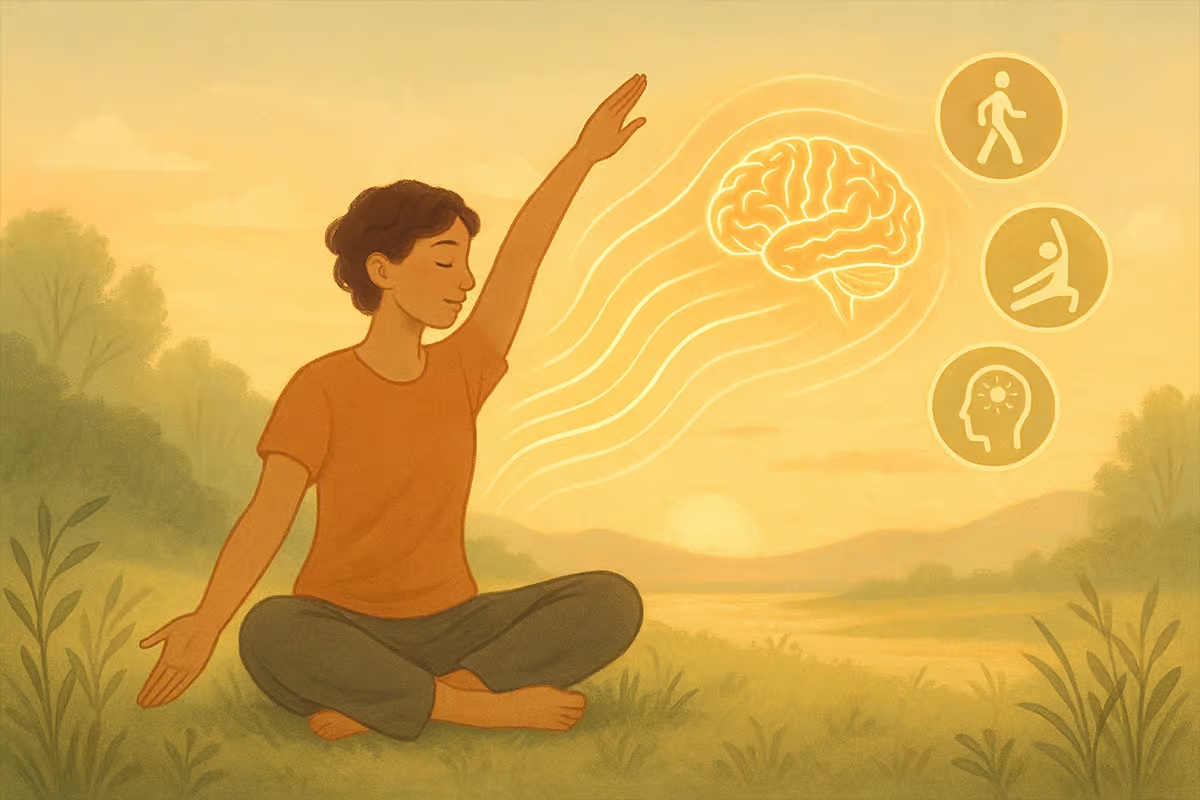
Post-traumatic stress disorder affects many Australians, from veterans and first responders to survivors of accidents, assault, or natural disasters. The condition can disrupt sleep, strain relationships, and make everyday tasks feel heavy. The good news is that recovery does not always require medication or surgery. A growing number of non-invasive options now help people manage symptoms and rebuild stability. Resources such as https://www.ncau.com.au/ offer information for people who want to understand these gentler treatment paths.
Non-invasive care focuses on supporting the brain and body without physical intervention. These methods aim to calm the nervous system, reduce distressing memories, and restore a sense of control. Many Australians prefer this approach because it carries fewer side effects and fits more comfortably into daily life. Treatment usually starts with a proper assessment by a GP or mental health professional, who can suggest options suited to each person’s needs.
Psychological therapies form the foundation of most recovery plans. Trauma-focused cognitive behavioural therapy helps people reframe unhelpful thought patterns linked to a traumatic event. Eye movement desensitisation and reprocessing, often shortened to EMDR, uses guided eye movements to lessen the emotional charge of difficult memories. Both are widely available across Australia and are backed by strong clinical evidence. Many practitioners offer telehealth sessions, which makes support easier to reach for people in rural and regional communities.
Lifestyle habits also play a steady role in recovery. Regular physical activity, such as walking, swimming, or team sport, helps regulate mood and improve sleep. Mindfulness and breathing practices give people practical tools to settle anxiety in the moment. Reducing alcohol and caffeine can ease the intensity of symptoms over time. These changes work best when built into a daily routine rather than treated as quick fixes.
Newer technologies have added fresh options to the field. Transcranial magnetic stimulation, or TMS, uses gentle magnetic pulses to influence areas of the brain tied to mood and stress. The treatment is painless, needs no anaesthetic, and allows people to return to normal activities straight after each session. Research in Australia continues to study how TMS supports people whose symptoms have not responded well to therapy alone.
Social connection matters just as much as clinical care. Support groups let people share experiences with others who understand what they are going through. Services such as Open Arms, which supports veterans and their families, and local community mental health programs provide ongoing help. Family members can also learn how to offer steady support without feeling overwhelmed themselves.
Recovery takes time, and progress is rarely a straight line. Some days feel easier than others, and setbacks are a normal part of healing. What matters is having a plan, staying connected to support, and choosing methods that feel safe and manageable. With the right mix of therapy, healthy habits, and professional guidance, many Australians find lasting relief from PTSD.
If you or someone you know lives with trauma, speak with a trusted health professional. A non-invasive path to recovery is within reach, and support is available across the country.