
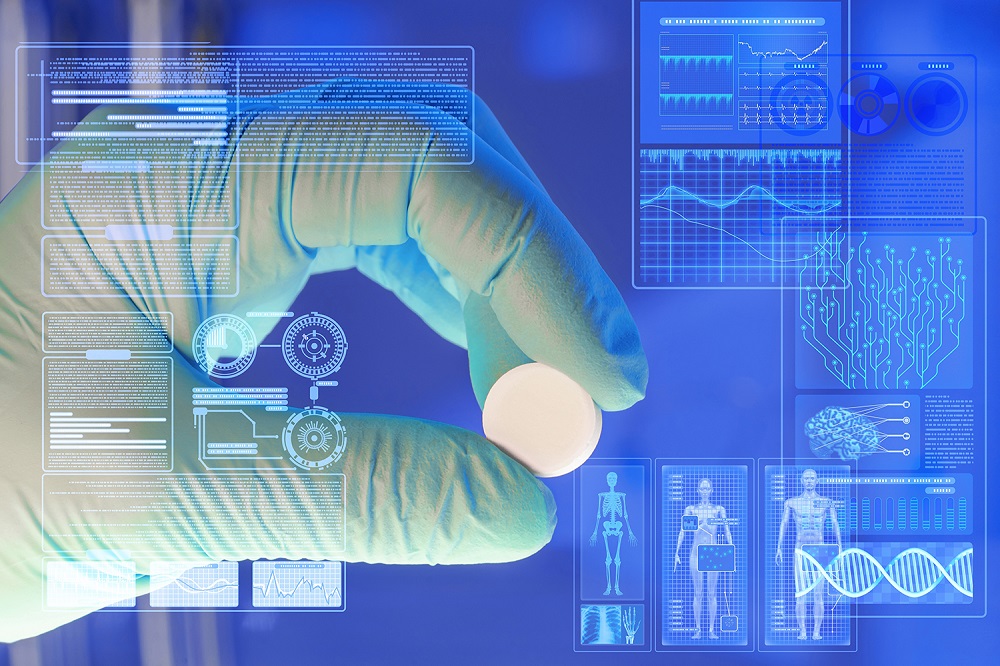
Artificial intelligence is no longer a speculative concept in healthcare; it is an active force reshaping clinical practice, biomedical research, and administrative systems. Healthcare systems worldwide face growing demands driven by aging populations, complex chronic diseases, and administrative burdens on medical staff. In this environment, artificial intelligence offers powerful tools to improve diagnostic precision, accelerate therapeutic discovery, and streamline clinical workflows.
Integrating intelligent algorithms into modern medicine does not replace human clinical judgment. Instead, it serves as a sophisticated cognitive partner. By analyzing massive volumes of biological data, medical imaging, and electronic records at unprecedented speeds, artificial intelligence enables clinicians to deliver faster, more personalized, and highly effective patient care.
Accelerating Diagnostic Precision and Radiology
Diagnostic errors and delayed diagnoses remain significant challenges in healthcare. Intelligent algorithms excel at pattern recognition, making them natural tools for medical imaging, pathology, and early disease detection.
-
Radiology and Imaging Analysis: Deep learning networks process X-rays, CT scans, and MRIs to identify subtle structural changes, early-stage tumors, or internal bleeding. These systems act as a second pair of expert eyes, flagging urgent cases for immediate radiologist review and reducing diagnostic backlog.
-
Pathology and Tissue Mapping: Digital pathology platforms analyze tissue biopsy slides to distinguish between benign and malignant cells. By evaluating cellular patterns with high precision, these algorithms assist pathologists in grading tumors accurately and predicting patient outcomes.
-
Early Detection of Degenerative Conditions: Machine learning models evaluate non-invasive biomarkers, such as eye scans or speech patterns, to detect early markers of neurodegenerative disorders like Alzheimer’s disease long before severe cognitive decline occurs.
Revolutionizing Drug Discovery and Development
Traditional drug development is a notoriously long and costly process, often taking over a decade and billions of dollars to bring a new medication to market. Artificial intelligence accelerates this timeline by fundamentally changing how pharmaceutical scientists identify drug candidates.
-
Target Identification and Protein Folding: Predictive models map out protein structures and predict how molecules will interact with biological targets. This enables researchers to identify viable chemical compounds in weeks rather than years.
-
Repurposing Existing Therapies: Algorithms analyze existing pharmacologic data to discover new uses for already approved drugs. Finding new applications for established medications reduces trial timelines and development costs.
-
Optimizing Clinical Trials: Finding qualified participants for specialized clinical trials is traditionally slow. Intelligent matching systems analyze patient health records to quickly connect eligible candidates with relevant clinical studies, improving trial diversity and completion rates.
Personalizing Treatment and Precision Medicine
Every individual possesses a unique genetic makeup, environmental profile, and lifestyle, meaning standard treatments do not produce uniform results across all patients. Precision medicine leverages advanced data analysis to tailor medical interventions to individual profiles.
Oncologists utilize clinical decision support tools to match a patient’s tumor genomic sequencing data against global databases of clinical trials and medical research. The system recommends targeted therapies that specifically inhibit the genetic mutations driving the cancer’s growth while minimizing damage to healthy cells. Furthermore, algorithms help predict potential adverse drug reactions, ensuring safer prescribing practices.
Streamlining Clinical Operations and Workflow Efficiency
Beyond direct clinical care, operational inefficiencies absorb enormous amounts of time and resources in healthcare systems. Administrative burden is a leading contributor to physician burnout and reduced face-to-face patient time.
Natural language processing models assist care teams by automatically summarizing medical notes, structuring unstructured health records, and populating billing codes. By minimizing routine documentation tasks, doctors and nurses can direct more attention back to direct patient engagement. Additionally, predictive hospital management models anticipate emergency department admission volumes, optimize bed assignments, and schedule staffing levels based on seasonal health trends.
Addressing Challenges and Ethical Considerations
While the benefits of healthcare technology are substantial, widespread implementation brings important challenges that demand careful governance.
-
Data Privacy and Security: Training effective models requires vast amounts of sensitive health data. Protecting patient confidentiality through robust encryption, anonymization techniques, and compliance with data privacy regulations remains vital.
-
Algorithmic Bias: If training datasets lack diversity, machine learning models can perpetuate or exacerbate existing healthcare disparities. Ensuring diverse dataset representation is essential for delivering equitable care across all populations.
-
Accountability and Transparency: Complex models often function as black boxes, making it difficult to understand how specific recommendations are reached. Maintaining clinician oversight and establishing clear lines of accountability are critical for clinical safety.
Frequently Asked Questions
Will artificial intelligence eventually replace human doctors?
No. Artificial intelligence is designed to assist human clinicians, not replace them. While algorithms can process data and recognize patterns rapidly, they lack human empathy, nuanced clinical reasoning, and ethical decision-making capabilities essential for safe medical practice.
How does artificial intelligence help prevent medical errors in hospitals?
Intelligent monitoring systems continuously analyze patient vital signs, laboratory results, and medication schedules. These tools alert medical staff to early signs of sepsis, dangerous drug interactions, or sudden physiological decline, allowing intervention before serious complications develop.
Is patient data safe when used to train medical algorithms?
Strict medical privacy regulations govern the use of health records. Patient data used to train algorithms is anonymized, removing identifying details like names and addresses, and secured using encryption protocols to protect privacy.
What is the primary difference between traditional software and AI in healthcare?
Traditional healthcare software follows strict, pre-programmed rule sets that execute specific tasks automatically. In contrast, artificial intelligence systems use machine learning algorithms that adapt, identify subtle trends, and improve their predictive accuracy over time through exposure to new data.
How does AI impact healthcare costs for patients?
By improving early disease detection, streamlining drug discovery, reducing medical errors, and automating routine administrative work, intelligent technology helps lower overall healthcare delivery costs, which over time translates to more affordable and accessible care.
How are emergency departments utilizing predictive technology?
Emergency departments use predictive algorithms to assess patient risk during triage, prioritize critical cases, estimate wait times, and anticipate surges in patient admissions, ensuring resources and medical personnel are allocated efficiently.
Can artificial intelligence assist with remote mental healthcare?
Yes. Natural language tools assist mental health professionals by monitoring language patterns and sentiment in digital interactions. These tools flag subtle indicators of worsening depression or crisis, allowing clinicians to offer timely support.