
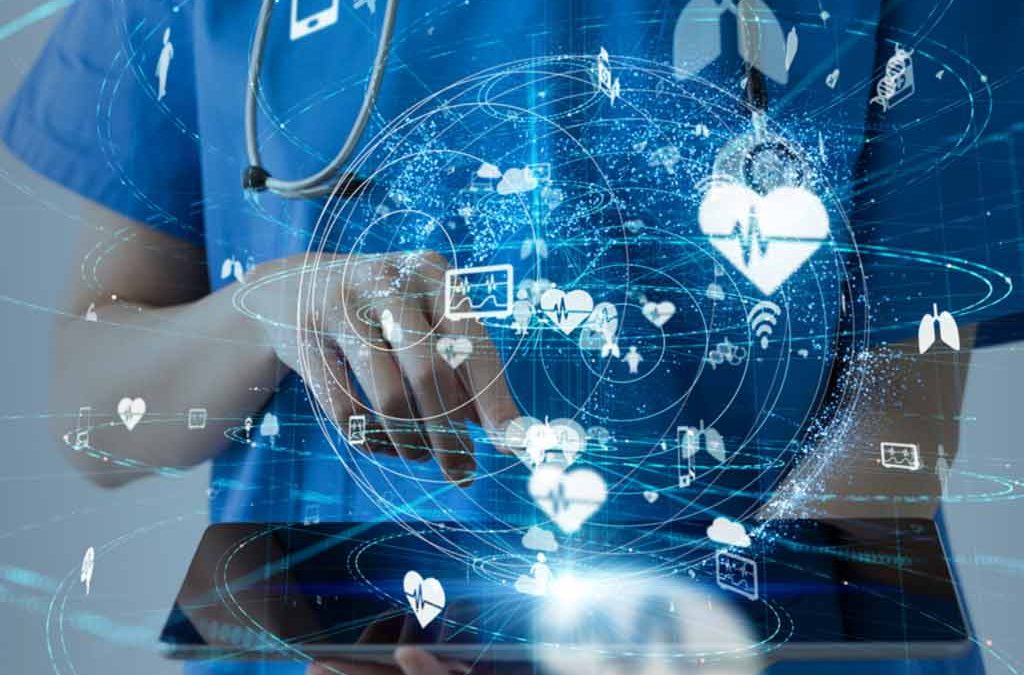
The rapid evolution of medical technology is fundamentally changing how healthcare is delivered, managed, and experienced across the globe. Historically, medicine operated largely as a reactive system, where patients sought help only after symptoms appeared and conditions had already progressed. Today, integrated technological advancements are shifting the paradigm toward proactive, personalized, and highly precise patient care.
Modern healthcare technologies do not simply automate administrative workflows; they directly enhance clinical decision-making, eliminate geographic barriers to treatment, accelerate recovery times, and empower individuals to take an active role in managing their own health. From artificial intelligence and remote monitoring systems to surgical robotics and advanced genetic therapies, medical innovation is creating a safer and more efficient healthcare landscape.
Artificial Intelligence and Predictive Diagnostics
Artificial intelligence and machine learning algorithms are among the most transformative developments in modern medicine. These systems process vast amounts of medical data, including diagnostic images, pathology slides, genetic profiles, and electronic health records, at speeds and accuracy levels that assist clinicians in catching subtle abnormalities early.
-
Early Disease Detection: Machine learning models analyze radiologic scans to detect early-stage tumors, micro-fractures, or vascular changes long before they are visible to the naked eye. Early detection significantly expands treatment options and improves long-term survival rates.
-
Predictive Risk Modeling: Hospitals utilize predictive algorithms to monitor patient vital signs in real time. These systems can alert care teams to early markers of sepsis, cardiac arrest, or acute respiratory failure hours before physical symptoms fully manifest, allowing for immediate life-saving intervention.
-
Administrative Scribing and Efficiency: AI-driven natural language processing tools transcribe and summarize doctor-patient conversations into structured medical records. By reducing administrative burdens, physicians can spend less time looking at computer screens and more time engaging directly with their patients.
Remote Care and the Internet of Medical Things
The rise of the Internet of Medical Things, coupled with high-speed cellular networks, has extended care beyond hospital walls. Patients with chronic conditions no longer need to rely solely on sporadic clinic visits to keep track of their health metrics.
Continuous health monitoring through wearable devices and biosensors allows medical professionals to track metrics such as heart rhythms, blood glucose levels, blood pressure, and oxygen saturation continuously from a distance. When readings fall outside acceptable parameters, care managers receive real-time alerts to adjust medications or schedule timely interventions.
Telehealth platforms have expanded access for rural, homebound, or underserved populations. Virtual visits enable routine follow-ups, specialist consultations, and mental health services without requiring patients to travel long distances, reducing travel costs and minimizing time away from work.
Robotic Assistance and Minimally Invasive Surgery
Surgical care has seen significant advancements through robotic-assisted platforms. These sophisticated systems do not operate autonomously; rather, they serve as high-precision instruments controlled entirely by experienced surgeons.
Robotic arms translate a surgeon’s hand movements into microscopic, highly precise motions inside the human body. This level of control allows complex procedures to be performed through tiny keyhole incisions rather than large open cuts.
Because the surrounding tissue suffers minimal trauma, patients experience significantly less post-operative pain, lower risk of surgical site infections, reduced scarring, and dramatically faster recovery times that allow for earlier hospital discharge.
Precision Medicine and Gene Therapies
The old model of one-size-fits-all medical treatment is increasingly being replaced by precision or personalized medicine. By evaluating a patient’s unique genetic profile, environment, and lifestyle, doctors can select treatments that offer the highest likelihood of success with the fewest side effects.
In oncology, genomic sequencing of tumors enables oncologists to identify specific genetic mutations driving cancer growth. Targeted therapies can then be prescribed to block those specific pathways, destroying cancer cells while sparing healthy surrounding tissue. Furthermore, gene-editing technologies like CRISPR are moving from experimental trials into clinical use, offering potential cures for inherited genetic disorders such as sickle cell disease and certain forms of congenital blindness.
Virtual Reality and 3D Bioprinting
Immersive technologies and 3D printing are revolutionizing surgical planning, medical training, and tissue engineering.
Surgeons can turn complex patient CT and MRI scans into interactive 3D virtual models or physical printed replicas. Practicing a delicate procedure on a patient-specific replica allows surgical teams to identify structural challenges in advance, shortening total time spent in the operating room and reducing complication rates.
In regenerative medicine, 3D bioprinting uses specialized biological inks containing living cells to print functional human tissues, such as skin grafts, bone structures, and blood vessels. This technology holds immense promise for replacing damaged organs and eliminating long transplant waitlists in the future.
Enhancing Patient Engagement and Data Security
As health technologies mature, keeping patient data secure while making it accessible to individuals remains a major priority. Modern patient portals allow individuals to view their laboratory results, track vaccination records, message their care teams, and manage prescriptions from their smartphones.
To protect sensitive health information, healthcare organizations are deploying decentralized frameworks such as blockchain technology. Blockchain creates an immutable, tamper-proof record of data exchanges, ensuring that medical records can be securely shared across different health systems only with explicit patient consent. This improves care coordination while guarding against unauthorized access and cyber threats.
Frequently Asked Questions
Does the integration of medical technology make healthcare less personal?
Medical technology is designed to reduce administrative paperwork and routine tasks so clinicians can spend more time interacting directly with patients. By handling routine documentation and data analysis, technology enables healthcare providers to give greater focus and empathy to direct patient care.
How do connected medical devices keep patient health data secure?
Connected medical devices use end-to-end encryption, multi-factor authentication, and secure cloud storage protocols to protect sensitive health information. Healthcare facilities also utilize blockchain and advanced cybersecurity monitoring to block unauthorized access and preserve data integrity.
Are robotic surgical platforms safe for complex operations?
Robotic surgical systems are exceptionally safe because they remain under the total control of a trained surgeon throughout the entire procedure. The technology enhances the surgeon’s vision with high-definition 3D imaging and provides unmatched precision, reducing human error and procedural risk.
What role does artificial intelligence play in everyday prescriptions?
AI systems analyze a patient’s medical history, current medications, allergies, and organ function metrics to alert pharmacists and doctors to potential drug interactions or incorrect dosages, significantly decreasing adverse medication events.
How does remote patient monitoring benefit elderly patients?
Remote patient monitoring allows elderly individuals to remain safely in their homes while receiving continuous medical oversight. It reduces the need for frequent hospital visits, detects health declines early, and gives family members and care teams continuous peace of mind.
Will 3D bioprinting eventually replace organ donor waitlists?
While fully functional bioprinted organs such as hearts and kidneys are still undergoing research and development, bioprinted skin grafts, cartilage, and simple tissue structures are already in clinical use. Over time, advancements in bioprinting are expected to significantly reduce reliance on human organ donors.
How do virtual reality tools aid in patient rehabilitation?
Virtual reality is widely used in neuro-rehabilitation and physical therapy to help stroke patients or individuals recovering from traumatic injuries regain mobility. Interactive VR exercises stimulate neuroplasticity in the brain, making repetitive physical exercises more engaging and effective.