
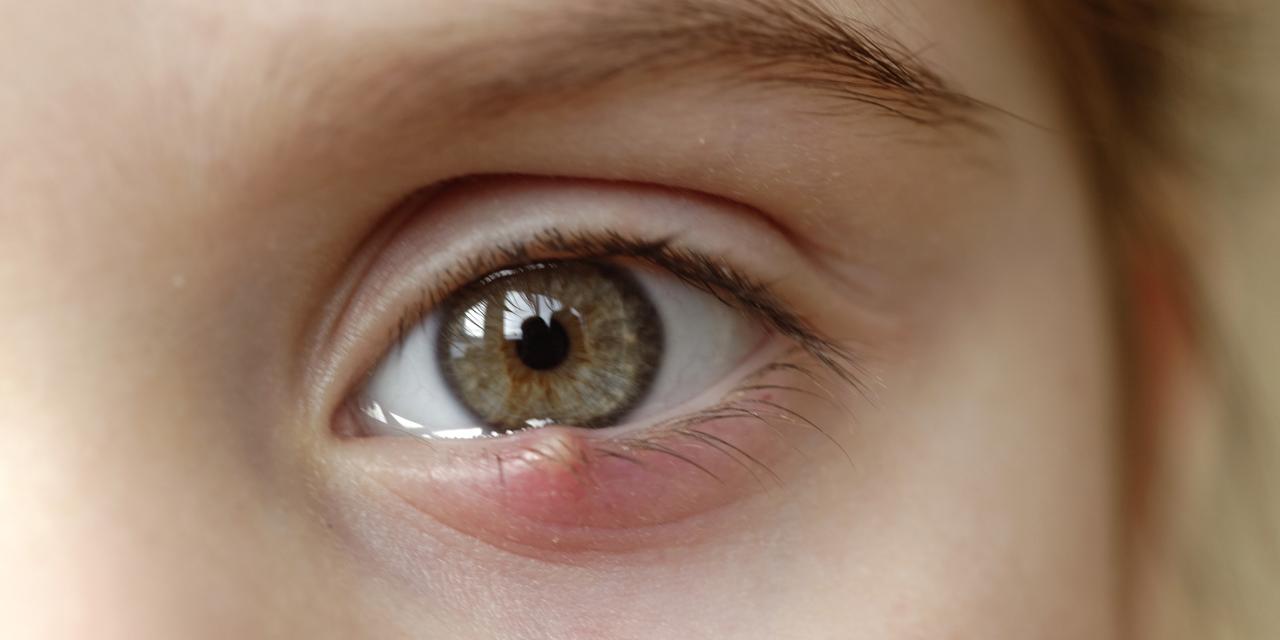
Traveling opens up the world to new experiences, but it can also expose you to a range of environmental factors that could affect your health. Among the many risks, eye infections are a common concern for travelers. Whether due to changes in climate, exposure to bacteria, or the lack of proper hygiene, an eye infection can turn a dream vacation or business trip into an uncomfortable ordeal. Fortunately, there are practical steps you can take to prevent eye infections while on the move. This guide explores key strategies to keep your eyes safe and healthy during your travels.
1. Maintain Proper Hygiene
One of the most effective ways to prevent eye infections is to practice good hygiene. The eyes are highly susceptible to bacteria, viruses, and other pathogens that can cause infections. Touching your eyes with dirty hands is one of the easiest ways to introduce harmful bacteria into your system. This is particularly important when traveling, as you are exposed to more public spaces and surfaces, such as airports, hotels, and public transport.
Always wash your hands thoroughly with soap and water before touching your face or eyes. Carry hand sanitizer for situations where water and soap may not be readily available. Make sure to avoid rubbing your eyes, especially if you have touched surfaces that may harbor germs. Keeping your hands clean will significantly reduce the likelihood of transferring harmful microbes to your eyes.
2. Use Clean Eyewear and Cases
For those who wear glasses or contact lenses, maintaining cleanliness is paramount. Bacteria can accumulate on lenses and in contact lens cases, leading to potential eye infections. When traveling, it’s essential to ensure that your eyewear is kept clean and free from contaminants.
- Glasses: Clean your glasses regularly with a microfiber cloth and lens cleaner. Avoid using clothing or tissues that could transfer oils and dirt onto your lenses.
- Contact Lenses: If you wear contact lenses, never use tap water to rinse them. Always store them in a clean case with fresh solution. Carry extra contact lens solution, especially if you’re traveling to countries where you may not be able to find your preferred brand. If possible, limit the use of contacts in dusty or polluted environments, as particles can irritate the eyes and increase the risk of infection.
3. Protect Your Eyes from Environmental Hazards
When traveling, particularly to regions with different climates or environments, the risk of eye irritation and infection can increase. Dust, pollen, smoke, and even salty air can all contribute to discomfort or lead to infections.
- Wear Sunglasses: Protect your eyes from environmental irritants by wearing sunglasses with proper UV protection. This is especially important in areas with strong sunlight or high levels of dust. Sunglasses can shield your eyes from wind, dust, and harmful UV rays, which can cause inflammation or irritation.
- Avoid Direct Contact with Water: When swimming in lakes, rivers, or even pools, avoid getting water in your eyes. Contaminated water can carry harmful microorganisms that may cause eye infections, such as conjunctivitis or corneal ulcers. If you need to wear contacts, make sure to use swimming goggles to protect your eyes from potential exposure.
4. Stay Hydrated and Use Eye Drops
Dry eyes are more prone to infections, especially in environments with low humidity or high pollution, such as on airplanes or in air-conditioned spaces. Dehydration can lead to a decrease in tear production, which acts as a natural defense against infection by flushing away debris and pathogens.
- Stay Hydrated: Drink plenty of water throughout your trip. Proper hydration supports the natural moisture of your eyes and helps prevent irritation caused by dryness.
- Use Eye Drops: Carry preservative-free lubricating eye drops to soothe and hydrate your eyes. These can be especially helpful if you find yourself in environments with dry air, such as on long flights or in air-conditioned hotels. Lubricating drops can also wash away minor irritants that could lead to infections.
5. Be Cautious with Makeup and Cosmetics
Using makeup while traveling is common, but it can also increase the risk of eye infections if not handled properly. Bacteria can accumulate on makeup brushes, mascara wands, and other cosmetic tools, which can transfer to the eyes and cause infections.
- Use Disposable Applicators: If you use makeup on your eyes, try to use disposable applicators whenever possible. This minimizes the chances of transferring bacteria from your fingers or other surfaces to your eyes.
- Avoid Sharing Cosmetics: Never share your eye makeup with others, as this can introduce bacteria and viruses into your eyes. If you’re using makeup while traveling, make sure to clean your applicators regularly with soap and water or a disinfectant designed for cosmetics.
- Remove Makeup Thoroughly: Before sleeping, ensure you remove all makeup from your eyes, including mascara and eyeliner. Leaving makeup on overnight can irritate your eyes and clog the ducts, increasing the risk of infection.
6. Monitor Local Health Alerts
When traveling internationally, it’s crucial to stay informed about any local health concerns, especially those related to eye infections. Some areas may have outbreaks of contagious eye diseases like conjunctivitis (pink eye), which can spread rapidly in crowded places. Check for any health advisories or vaccination requirements related to eye infections in the region you plan to visit.
If you are traveling to a region with a high risk of eye diseases, consider taking extra precautions. Carrying antiseptic wipes, using hand sanitizers, and avoiding close contact with people who may have eye infections can all help prevent exposure. If you experience symptoms such as redness, pain, or discharge from your eyes, seek medical attention immediately to avoid further complications.
7. Seek Prompt Medical Attention for Symptoms
Despite taking all precautions, sometimes eye infections can still occur. If you start to experience discomfort, redness, itching, or unusual discharge from your eyes during your travels, it’s essential to seek prompt medical attention. Delaying treatment could lead to more severe complications or longer recovery times.
In many destinations, local pharmacies may offer over-the-counter eye treatments for common conditions like conjunctivitis. However, if symptoms persist or worsen, it is best to consult an eye care professional. Many travel insurance policies also cover emergency medical care for eye issues, so it’s wise to ensure you have proper coverage before traveling.
Final Thoughts
Protecting your eyes while traveling requires attention to hygiene, environment, and overall health. By following these simple yet effective precautions, you can significantly reduce the risk of eye infections and enjoy a comfortable, hassle-free trip. Keep your eyes healthy, hydrated, and shielded from environmental threats, and you’ll ensure that your vision remains clear and free from infection as you explore new destinations. Safe travels!