
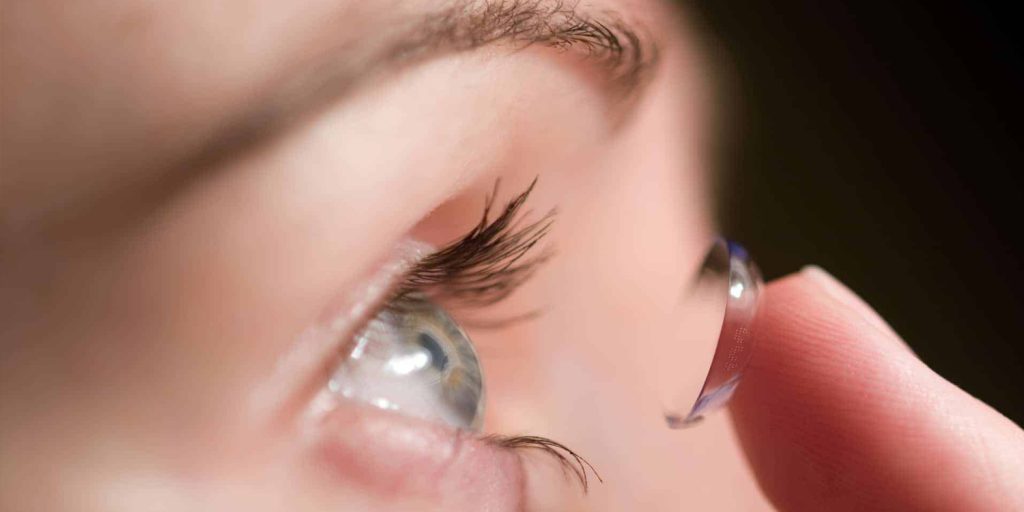
When it comes to eye lenses, whether for glasses or contact lenses, the materials used to craft the lenses play a significant role in their effectiveness and comfort. However, beyond the lens material itself, coatings are equally crucial in enhancing the performance, longevity, and comfort of eye lenses. These coatings serve various purposes, such as improving vision, protecting against environmental factors, and increasing the durability of the lenses. With numerous options available, understanding the different coatings can help you make an informed decision about which ones are best for your specific needs.
1. Anti-Reflective (AR) Coating
One of the most common and beneficial coatings for eye lenses is the anti-reflective (AR) coating. As the name suggests, this coating minimizes reflections that can occur on the surface of the lens. These reflections are often visible in photos or when light hits the lens, leading to unwanted glare and reduced visual clarity.
Benefits:
- Improved Vision: By reducing glare from artificial light sources like headlights, streetlights, and computer screens, AR coatings help improve visual clarity, especially in low-light conditions.
- Enhanced Aesthetics: AR coatings make the lenses appear clearer and less noticeable, as they eliminate distracting reflections. This improves the overall aesthetic of eyeglasses, making the lenses seem almost invisible.
- Reduced Eye Strain: With reduced glare, eyes experience less strain, particularly during extended use of electronic devices or while driving at night.
2. UV Protection Coating
Many modern eye lenses come with built-in UV protection, which is essential for shielding your eyes from the harmful ultraviolet rays of the sun. Just as your skin can be damaged by UV radiation, your eyes are equally vulnerable to UV damage, which can lead to conditions such as cataracts, macular degeneration, and even skin cancer around the eyes.
Benefits:
- Protection Against UV Damage: UV protection coatings block harmful UVA and UVB rays, safeguarding the eyes from long-term damage and reducing the risk of eye diseases.
- Prevention of Early Aging: Prolonged exposure to UV rays can accelerate the aging of the eyes. UV coatings help prevent this by offering a barrier to harmful rays, ensuring healthier eyes over time.
- Versatility: Many eyeglasses with UV protection are suitable for both indoor and outdoor wear, offering year-round protection regardless of the lighting conditions.
3. Scratch-Resistant Coating
A scratch-resistant coating is applied to the surface of the lens to make it more durable and resistant to physical damage. While lenses are typically made from robust materials like polycarbonate or high-index plastics, they can still be susceptible to scratches from regular use.
Benefits:
- Enhanced Durability: This coating makes lenses much harder and more resistant to scratches caused by dust, dirt, or accidental drops.
- Extended Lifespan: Scratch-resistant coatings can significantly increase the lifespan of your eyeglasses, preventing the need for frequent lens replacements.
- Clarity of Vision: Scratches on lenses can interfere with clear vision. By applying a scratch-resistant coating, your lenses will stay in pristine condition for longer, maintaining clarity.
4. Anti-Fog Coating
Anti-fog coatings have gained popularity, particularly for individuals who wear eyeglasses while participating in physical activities or during seasonal changes. Fogging occurs when the temperature difference between the air around you and the surface of your lenses causes condensation to form.
Benefits:
- Prevention of Fogging: Anti-fog coatings prevent moisture from accumulating on the lenses, ensuring a clear view even in humid conditions or when transitioning from cold to warm environments.
- Improved Comfort: For those who wear masks or engage in activities that lead to temperature changes, such as outdoor sports, anti-fog coatings keep lenses from becoming obstructed by fog.
- Clear Vision in Challenging Environments: These coatings are particularly helpful in environments where lens fogging is common, such as when cooking, working outdoors, or transitioning between temperature-controlled spaces.
5. Blue Light Filtering Coating
As digital devices become an integral part of daily life, exposure to blue light has raised concerns regarding its potential impact on eye health. Blue light comes from sources such as smartphones, computer screens, and even fluorescent lighting. Long-term exposure to blue light can contribute to digital eye strain, disrupted sleep patterns, and possibly long-term eye damage.
Benefits:
- Reduces Digital Eye Strain: Blue light filtering coatings help alleviate symptoms of digital eye strain, such as headaches, blurred vision, and dry eyes, caused by extended screen time.
- Improves Sleep Quality: By filtering out blue light, which can interfere with the body’s circadian rhythm, these coatings can help improve sleep patterns, especially if you use electronic devices late into the evening.
- Enhanced Comfort During Screen Use: If you spend significant time in front of screens, blue light filtering coatings provide comfort by reducing the glare and intensity of blue light exposure.
6. Hydrophobic Coating
A hydrophobic coating, often referred to as a water-repellent coating, is applied to the lenses to prevent water from adhering to the surface. This coating causes water droplets to bead up and roll off the lens, making it ideal for rainy weather or activities like swimming.
Benefits:
- Prevents Water Streaks: Hydrophobic coatings keep lenses clear and free of streaks by preventing water droplets from clinging to the surface.
- Easier Cleaning: Since water and oils don’t stick to the surface as easily, cleaning lenses becomes more straightforward, requiring less effort to keep them spotless.
- Improved Performance in Wet Conditions: For those who spend time outdoors in various weather conditions, hydrophobic coatings enhance the performance of eyeglasses by ensuring visibility even during rain or snow.
7. Anti-Static Coating
Anti-static coatings are applied to eye lenses to minimize the attraction of dust and other particles. These coatings reduce the likelihood of dirt and lint accumulating on the lenses, keeping them cleaner for longer periods.
Benefits:
- Reduces Dust Attraction: With an anti-static coating, dust and particles are less likely to stick to the surface of the lenses, which helps keep them clean and free from debris.
- Improved Clarity: Clean lenses contribute to clearer vision, as there is less dust or smudging to obstruct your view.
- Less Frequent Cleaning: Anti-static coatings can reduce the need for frequent cleaning, making lens maintenance easier and less time-consuming.
8. Tints and Photochromic Coatings
Tints are often added to lenses to enhance contrast or reduce glare, while photochromic coatings, commonly known as transition lenses, change their tint based on the amount of light they are exposed to. These coatings are ideal for individuals who want to experience the benefits of sunglasses without having to switch between different pairs of glasses.
Benefits:
- Improved Contrast and Comfort: Tinted lenses enhance contrast, making them useful in specific situations such as driving, where glare from the sun can be distracting.
- Convenience: Photochromic lenses automatically adjust to changing light conditions, providing the convenience of sunglasses indoors and out without the need for separate eyewear.
- Protection from Harmful UV Rays: Both tinted and photochromic coatings block UV rays, offering additional protection for your eyes when outdoors.
Choosing the Right Coatings for Your Needs
With a wide range of lens coatings available, selecting the right ones depends on your lifestyle, personal preferences, and specific eye care needs. Whether you’re seeking enhanced comfort, protection from environmental factors, or clearer vision, there’s a coating designed to help optimize your eye lenses. Consulting with an eye care professional can ensure that you select the coatings that best meet your needs and improve the overall performance and longevity of your lenses.
Each coating has its unique benefits, and combining them can provide comprehensive protection and comfort, making your eyewear more effective and easier to maintain. From reducing glare and UV damage to preventing fogging and improving digital eye health, lens coatings can enhance your everyday experience with eyeglasses or contact lenses.