
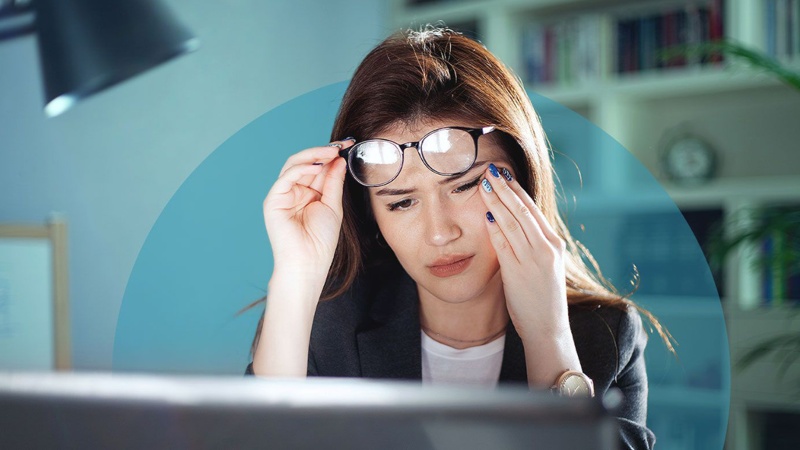
In today’s modern work environment, many of us spend hours staring at screens, whether it’s for emails, video meetings, or research. While technology offers numerous advantages, prolonged screen time can take a toll on our eye health. Eye strain, dry eyes, headaches, and blurred vision are common complaints among office workers, often due to the extended periods of screen use. One of the simplest yet most effective ways to combat these issues is by incorporating regular breaks into the workday.
Here, we explore the many benefits of taking breaks for eye health at work, and why this practice should be a cornerstone of your daily routine.
1. Reducing Digital Eye Strain
Digital eye strain, also known as computer vision syndrome (CVS), is a common condition that affects individuals who spend significant time in front of a screen. The symptoms include tired eyes, headaches, blurred vision, and neck or shoulder discomfort. These issues arise because when we focus on a screen for long periods, we tend to blink less, which reduces the natural moisture levels in our eyes.
Taking regular breaks allows your eyes to rest and recover from the strain. Simple activities, like focusing on an object in the distance or closing your eyes for a moment, can help reset your eye muscles and alleviate the tension caused by prolonged screen exposure. This not only reduces discomfort but also prevents the long-term effects of digital eye strain.
2. Preventing Dry Eyes
When we concentrate on a screen, our blink rate decreases significantly. Blinking is essential for spreading a thin layer of moisture over the surface of our eyes. Without regular blinking, the eyes become dry, irritated, and more susceptible to infection.
Frequent breaks give your eyes a chance to blink more naturally, preventing dryness and irritation. The 20-20-20 rule is an excellent method to follow: every 20 minutes, take a 20-second break and look at something 20 feet away. This simple practice encourages blinking, which helps in maintaining the moisture necessary for eye comfort.
3. Reducing the Risk of Long-Term Vision Problems
While taking regular breaks may provide immediate relief from eye discomfort, it also plays a significant role in preserving long-term eye health. Extended screen time can lead to issues such as myopia (nearsightedness) or exacerbate existing vision problems. Continuous focusing on close objects, like a screen, can increase the likelihood of developing these conditions.
By incorporating breaks, especially those that involve looking at distant objects, you help balance the strain on the eyes. This can prevent the eyes from becoming overly accustomed to close-up work, reducing the risk of developing vision problems later in life.
4. Enhancing Focus and Productivity
Eye strain doesn’t only affect your eyes—it also takes a toll on your mental and physical energy. The discomfort caused by prolonged screen time can make it harder to focus, leading to decreased productivity and efficiency. By stepping away from the screen regularly, you not only rest your eyes but also give your brain a moment to recharge.
Taking breaks throughout the day allows your mind to refocus, improve concentration, and boost your creativity. A refreshed mind leads to better decision-making, faster problem-solving, and an overall increase in work performance. Therefore, breaks benefit both your eye health and your work output.
5. Supporting Better Posture
When we sit for extended periods, especially in front of a computer, poor posture can contribute to eye strain and discomfort. Hunching over, tilting your head, or leaning forward can strain the muscles around your eyes and neck. Over time, this can lead to tension headaches, neck pain, and even more severe musculoskeletal issues.
Regular breaks, particularly ones that encourage standing up and moving around, promote better posture. When you stand up, stretch, and move, you relieve the pressure on your neck and back, which in turn reduces the strain on your eyes. Moreover, using break times to adjust your workstation (like changing the height of your chair or monitor) can further help prevent eye strain caused by poor ergonomics.
6. Improving Mental Health
Sitting at a desk all day without taking regular breaks can lead to feelings of burnout, stress, and fatigue. This not only impacts your physical health but also your mental wellbeing. Eye strain and discomfort can amplify stress levels, creating a cycle of tension that may hinder your productivity and emotional state.
Taking breaks offers a valuable opportunity to step away from work, clear your mind, and reduce stress. Whether it’s a short walk, a quick chat with a colleague, or simply closing your eyes for a few moments, breaks can provide a much-needed mental reset. This helps in maintaining a balanced and positive mindset, which ultimately leads to better work performance and a healthier state of mind.
7. Encouraging Healthy Habits
Incorporating regular breaks into your work routine can also serve as a reminder to adopt other healthy habits. It provides an opportunity to drink water, stretch, or even practice deep breathing techniques. These practices not only help prevent eye strain but also contribute to your overall well-being.
By establishing a habit of taking breaks, you promote a more balanced lifestyle, reducing the risk of sedentary behaviors that can negatively affect both your physical and mental health. The simple act of stepping away from your work area can inspire healthier choices, both during and after office hours.
Conclusion
The importance of taking regular breaks for eye health cannot be overstated. Digital eye strain, dry eyes, headaches, and even long-term vision problems can all be mitigated with frequent breaks. Furthermore, these breaks improve focus, productivity, and posture while promoting better mental health and overall well-being. In a world where screen time continues to increase, incorporating regular breaks into your daily routine is an easy yet highly effective way to protect your eye health and enhance your work performance.
To protect your eyes and keep them feeling refreshed, it’s essential to prioritize these simple practices. Whether it’s through the 20-20-20 rule, standing up to stretch, or simply blinking more often, these small actions can have lasting benefits. So, the next time you’re working on your computer or phone, remember to take a moment to rest your eyes and recharge. Your eyes—and your mind—will thank you.