
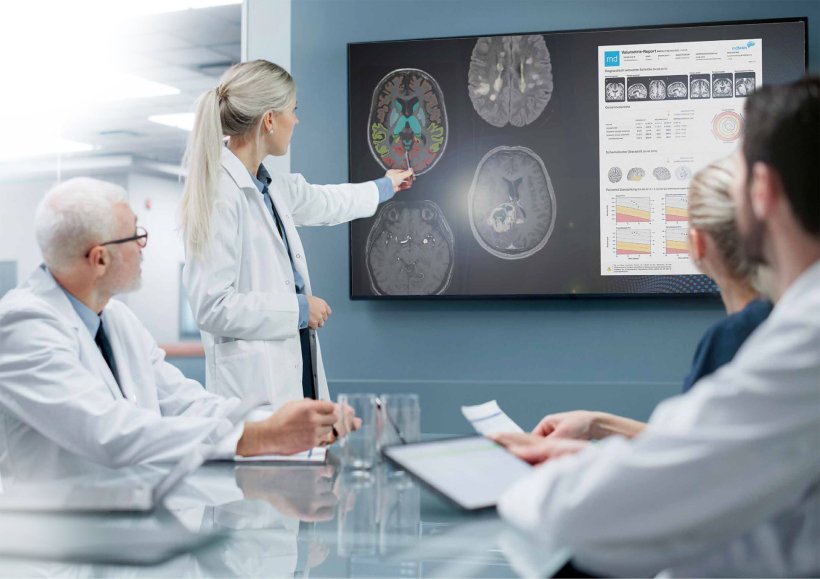
Achieving high treatment accuracy is one of the most critical challenges in modern medicine. Medical errors, misdiagnoses, suboptimal drug dosages, and delayed therapeutic adjustments can severely impact patient health and increase treatment costs. As clinical data grows exponentially through genomics, advanced imaging, and electronic medical records, human clinicians face an overwhelming volume of information to process under intense time constraints.
Artificial intelligence provides medical teams with powerful computational capabilities that analyze complex biological data with remarkable precision. By integrating advanced machine learning, computer vision, and predictive analytics into daily medical practices, healthcare providers can deliver targeted treatments tailored to each patient’s unique physiology.
Enhancing Diagnostic Precision to Guide Treatment Selection
Accurate treatment begins with an accurate diagnosis. Selecting the correct therapeutic strategy relies entirely on identifying the exact underlying cause and progression of a disease.
-
Radiological Precision: Advanced computer vision algorithms process radiological images, such as magnetic resonance imaging and computed tomography scans, with exceptional detail. These systems assist radiologists in identifying minute lesions, micro-fractures, or subtle vascular changes that might otherwise go unnoticed, ensuring early and targeted intervention.
-
Digital Pathology Analysis: Machine learning models evaluate digital pathology slides to distinguish between benign and malignant cellular structures. By measuring tumor boundaries and grading cellular abnormalities with high consistency, these tools help oncologists select the most effective chemotherapy or immunotherapy protocols.
-
Genomic Pattern Identification: Advanced algorithms analyze whole-genome sequencing data to locate specific genetic mutations driving disease progression. Identifying these precise genetic markers enables physicians to choose targeted biological therapies rather than relying on broad-spectrum treatments.
Personalized Medicine and Individualized Dosage Calibration
Standardized treatment approaches often treat complex conditions with uniform medication dosages. However, individual variations in metabolic rates, organ function, age, body mass, and genetic composition mean that identical dosages can yield vastly different outcomes across patients.
Machine learning algorithms process real-time patient data to assist clinicians in calculating optimal medication dosages. In radiation oncology, for instance, intelligent software maps three-dimensional tumor structures and calculates precise radiation beams. This targets malignant tissue while sparing surrounding healthy organs, significantly reducing radiation toxicity and treatment side effects.
Similarly, in chronic disease management, predictive models evaluate real-time continuous glucose monitor data for diabetic patients. The system forecasts blood sugar fluctuations and suggests precise insulin adjustments, preventing dangerous episodes of hypoglycemia or hyperglycemia.
Dynamic Treatment Monitoring and Real-Time Care Adjustments
Treatment accuracy is not a static, one-time calculation; it requires continuous monitoring and adaptation as a patient’s condition evolves. Traditional medical models often adjust treatment plans only during scheduled follow-up visits, which can leave long gaps where ineffective treatments remain unchanged.
Connected medical technologies powered by predictive analytics enable continuous patient monitoring both inside the hospital and at home.
-
Early Sepsis and Complication Alerts: In intensive care units, real-time algorithms analyze continuous streams of vital signs, laboratory values, and fluid balance measurements. The system detects subtle physiological deterioration hours before outward physical symptoms manifest, allowing care teams to modify antibiotic regimes or fluid resuscitation strategies immediately.
-
Adaptive Oncology Plans: Advanced imaging models track tumor regression or resistance during ongoing cancer therapies. If a tumor demonstrates resistance to a primary treatment plan, the software alerts the care team, allowing them to adjust the therapeutic combination before precious time is lost.
-
Outpatient Chronic Care Optimization: Wearable biosensors send real-time data to care managers, tracking cardiac rhythms, blood pressure, and lung function. Predictive tools identify early markers of heart failure decompensation, prompting proactive medication tweaks that prevent emergency hospital readmissions.
Surgical Precision and Robotics
Precision during surgical interventions is paramount to avoiding damage to critical nerves, blood vessels, and healthy tissue. Modern surgical suites increasingly incorporate intelligent navigation platforms and robotic assistance to enhance a surgeon’s physical capabilities.
Robotic-assisted platforms utilize real-time imaging overlays during complex surgical procedures. These systems map vital anatomical structures directly onto the surgeon’s visual field, guiding instrument placement down to fractions of a millimeter.
By translating a surgeon’s hand movements into micro-movements, these platforms minimize tissue disruption, reduce intraoperative blood loss, and ensure complete removal of diseased tissue while preserving healthy anatomical function.
Reducing Adverse Drug Events and Medication Errors
Adverse drug events represent a major source of preventable patient harm. Complex drug-to-drug interactions, patient allergies, and compromised kidney or liver function can turn standard prescription drugs into dangerous hazards.
Natural language processing and expert clinical systems continuously cross-reference every proposed prescription against a patient’s entire medical history, current medication lists, kidney filtration rates, and genetic profiles.
If a doctor prescribes a medication that poses a high risk of interaction or requires dosage reduction due to reduced organ clearance, the system issues an immediate alert explaining the potential conflict. This real-time safety layer drastically reduces medication errors across hospitals and outpatient pharmacies.
Frequently Asked Questions
How does artificial intelligence increase the accuracy of cancer treatments?
By analyzing tumor genomic profiles and three-dimensional imaging data, these systems help oncologists identify specific genetic mutations. This allows doctors to select highly targeted therapies and precisely plan radiation beams, destroying cancerous cells while leaving healthy surrounding tissue undamaged.
Can predictive tools prevent adverse drug interactions?
Yes. Intelligent clinical systems automatically cross-reference proposed prescriptions against a patient’s electronic health record, checking for known allergies, existing medications, and organ function levels. If a potential conflict arises, the system alerts the prescribing physician immediately.
Does integrating these tools slow down a doctor’s decision-making process?
No. These advanced platforms process complex medical data in real time, summarizing vast amounts of information into clear, actionable clinical insights. This actually accelerates decision-making while improving diagnostic and treatment accuracy.
What is the difference between standard medical software and AI-driven clinical tools?
Standard medical software follows fixed, manually programmed rule sets that execute identical functions every time. In contrast, AI-driven tools utilize machine learning algorithms that analyze new patient data, continuously refining their predictive capabilities and pattern recognition accuracy over time.
How do continuous monitoring tools help chronic disease patients?
Connected wearable sensors measure patient vital signs and biometric data around the clock. Predictive algorithms analyze this continuous data flow to detect early indicators of health decline, allowing clinicians to make timely medication adjustments before a serious medical emergency occurs.
How do robotic systems improve accuracy during complex surgeries?
Robotic platforms provide high-definition three-dimensional visualization and translate a surgeon’s hand movements into microscopic movements inside the body. This level of control allows surgeons to navigate around delicate nerves and blood vessels with exceptional precision.
Are treatment recommendations generated by algorithms completely autonomous?
No. All algorithmic suggestions serve as decision-support tools for human clinicians. Qualified physicians review every recommendation, considering the patient’s individual preferences, physical condition, and broader clinical context before finalizing any treatment plan.