
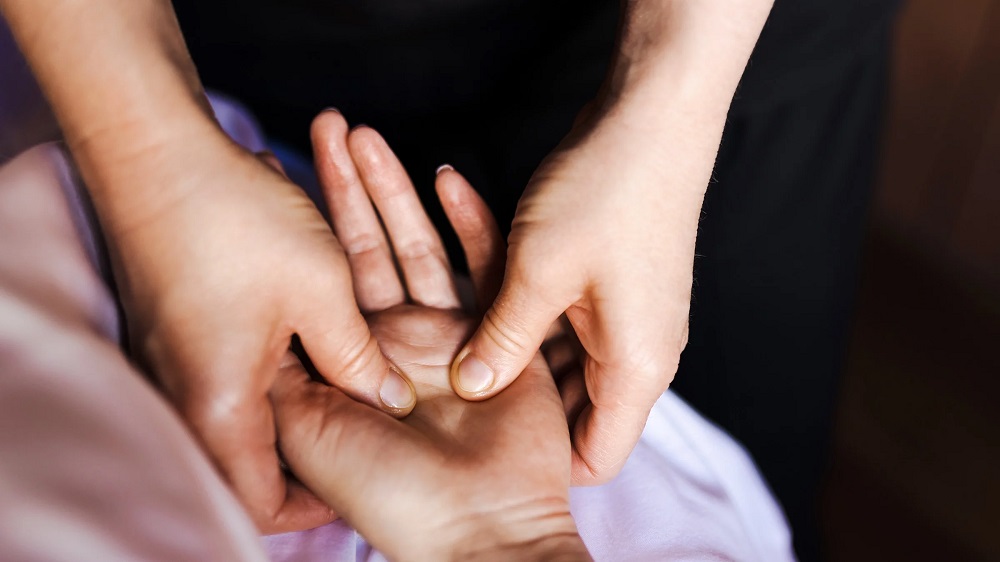
Acupressure is a traditional non-invasive technique derived from ancient Chinese medicine that relies on applying physical pressure to specific points across the body. Unlike acupuncture, which uses needles, acupressure utilizes fingers, thumbs, or palm pressure to stimulate mapped pressure points along energy pathways known as meridians. Modern research suggests that targeting these points stimulates the nervous system, releases endorphins, reduces muscle tension, and promotes blood circulation.
Integrating simple acupressure techniques into your daily routine provides a natural tool to manage routine stress, mild headaches, digestive discomfort, and sleep issues.
How Acupressure Works
According to Traditional Chinese Medicine (TCM), vital energy flows through twelve primary meridians in the human body. When this energy encounters obstruction, physical discomfort or illness can occur. Applying firm pressure to specific acupoints releases tension and restores balance.
From a biomedical perspective, acupressure triggers sensory nerve fibers under the skin. These nerves transmit signals to the spinal cord and brain, prompting the release of neurochemicals such as endorphins and serotonin. This process reduces pain signals and calms the sympathetic nervous system, lowering stress hormone levels like cortisol.
Key Acupressure Points for Daily Relief
1. Large Intestine 4 (LI4 or Hegu)
Large Intestine 4 is widely recognized for relieving tension, headaches, and facial pain.
-
Location: Situated on the back of the hand, in the webbed space between the base of the thumb and index finger.
-
Primary Benefits: Eases tension headaches, toothaches, neck stiffness, and general pain relief.
-
How to Apply: Pinch the webbed area using your opposite thumb and forefinger. Apply firm, steady pressure for 1 to 2 minutes while breathing deeply. Repeat on the other hand.
-
Precaution: Pregnant women should avoid stimulating LI4, as it can induce labor contractions.
2. Pericardium 6 (PC6 or Neiguan)
Pericardium 6 is an effective pressure point for easing motion sickness, nausea, and stomach upset.
-
Location: Located on the inner forearm, roughly three finger-widths below the wrist crease between the two central tendons.
-
Primary Benefits: Reduces nausea, vomiting, motion sickness, morning sickness, and mild anxiety.
-
How to Apply: Place three fingers across your wrist crease to locate the point. Press firmly with your thumb into the spot between the tendons for 2 to 3 minutes using small circular movements.
3. Yintang (The Third Eye Point)
Yintang is an accessible point commonly targeted for stress reduction and mental clarity.
-
Location: Positioned directly between the eyebrows, right above the bridge of the nose.
-
Primary Benefits: Calms an overactive mind, relieves sinus pressure, eases frontal headaches, and aids sleep.
-
How to Apply: Place your index finger or thumb lightly on the space between your eyebrows. Apply steady, gentle pressure or rub in circular motions for 1 to 3 minutes while taking slow, deep breaths.
4. Anmian (Peaceful Sleep Point)
Anmian translates directly to peaceful sleep and helps address insomnia and restless nights.
-
Location: Located behind the ear, between the base of the skull and the earlobe, just behind the bony prominence called the mastoid process.
-
Primary Benefits: Relieves insomnia, decreases agitation, reduces headache intensity, and promotes deep relaxation.
-
How to Apply: Place your index and middle fingers on the soft depression behind each earlobe. Press gently with upward circular motions for 2 to 3 minutes before going to sleep.
5. Stomach 36 (ST36 or Zusanli)
Stomach 36 is traditionally referred to as the point of longevity and leg endurance.
-
Location: Located about four finger-widths below the kneecap and one finger-width toward the outside of the shinbone.
-
Primary Benefits: Enhances digestion, relieves fatigue, reduces bloating, and supports immune performance.
-
How to Apply: Place your index and middle fingers on the point and apply firm downward pressure. Flex your foot up and down while pressing to engage the muscle beneath. Continue for 1 to 2 minutes on each leg.
6. Gallbladder 20 (GB20 or Feng Chi)
Gallbladder 20 is essential for addressing upper body tension caused by poor posture or computer work.
-
Location: Positioned at the base of the skull in the two hollows on either side of the spine.
-
Primary Benefits: Eases neck stiffness, tension headaches, shoulder tightness, and eye strain.
-
How to Apply: Interlock your fingers behind your head and place your thumbs into the hollow spots at the base of your skull. Press upward toward the center of your head with firm pressure for 2 minutes.
Best Practices for Safe Practice
To ensure the best outcomes when applying acupressure at home, keep these fundamental guidelines in mind:
-
Use Comfortable Pressure: Pressure should feel firm and slightly tender, but never sharp or painful.
-
Focus on Breathing: Inhale slowly through your nose and exhale smoothly through your mouth during application.
-
Maintain Consistency: Applying pressure for 1 to 3 minutes per point daily yields better cumulative results than occasional, intense sessions.
-
Listen to Your Body: Avoid applying pressure over open wounds, bruised skin, swollen joints, or varicose veins.
Frequently Asked Questions
What is the recommended duration for pressing an acupressure point?
Holding an acupressure point for 1 to 3 minutes is generally sufficient to yield benefits. You can repeat this process two to three times a day depending on your symptoms.
Can acupressure replace conventional medical treatments?
No. Acupressure is designed as a complementary practice to support overall wellness and manage mild, everyday discomforts. It should not replace medical treatment for chronic conditions, severe infections, or emergency situations.
How quickly can you expect results from acupressure?
Some people experience immediate relief from acute issues like tension headaches or mild nausea within 2 to 5 minutes. For chronic fatigue or sleep difficulties, consistent daily practice over several weeks is typically required.
Is acupressure safe to practice during pregnancy?
Certain acupressure points, such as LI4 (Large Intestine 4) and SP6 (Spleen 6), can stimulate uterine contractions and should be avoided during pregnancy. Always consult a healthcare provider or a licensed acupuncturist before practicing acupressure while pregnant.
What should you do if an acupressure point feels painful?
A mild ache or sensation of fullness is normal when stimulating an active point. However, sharp or intense pain indicates too much force. Ease up on the pressure immediately or shift your finger slightly to a softer area.
Can children benefit from acupressure techniques?
Yes, gentle acupressure is safe for children when applied with minimal force. Using light touch on points like Yintang or PC6 can help calm an anxious child or soothe motion sickness during travel.